quinceanera traditions mexican culture
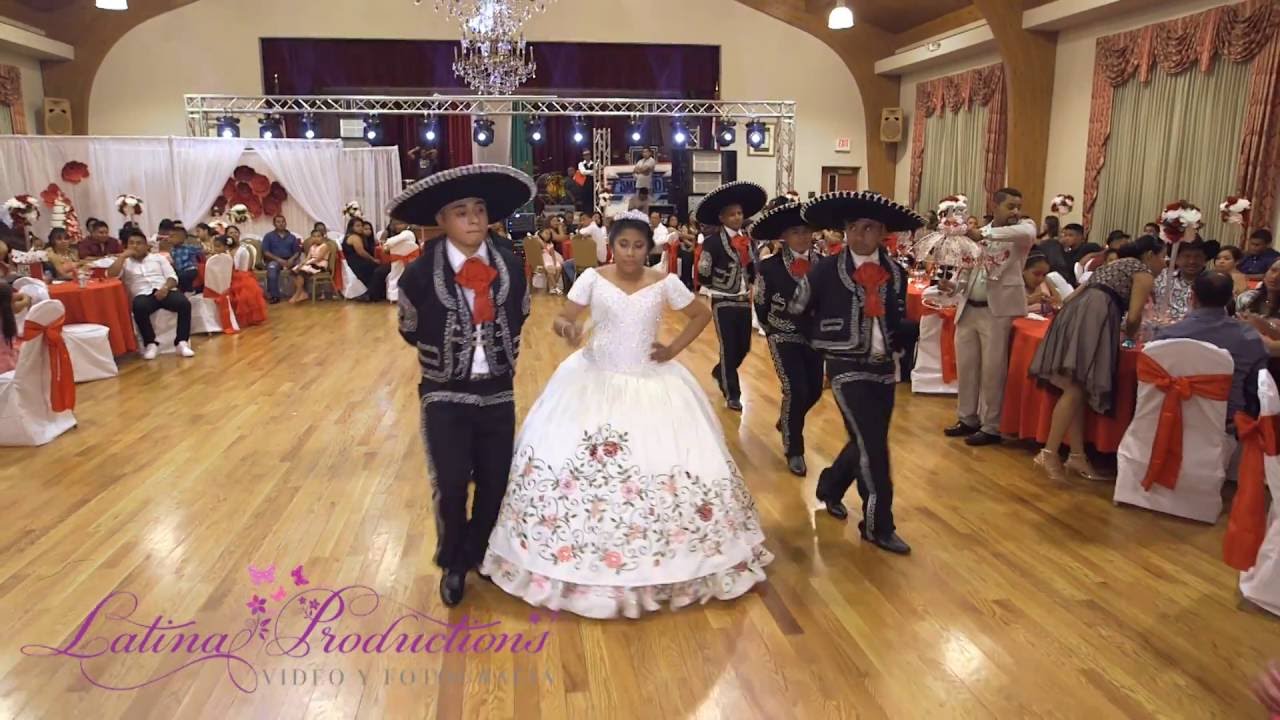
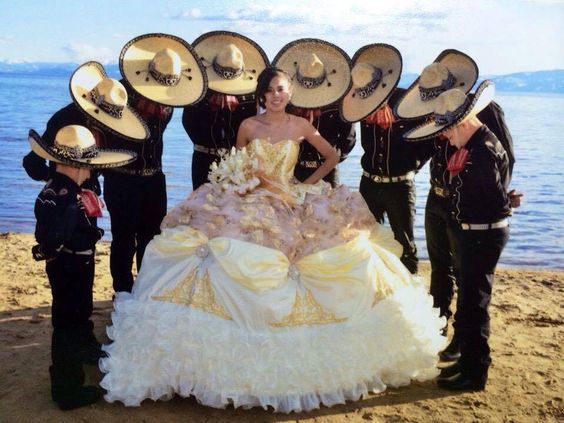
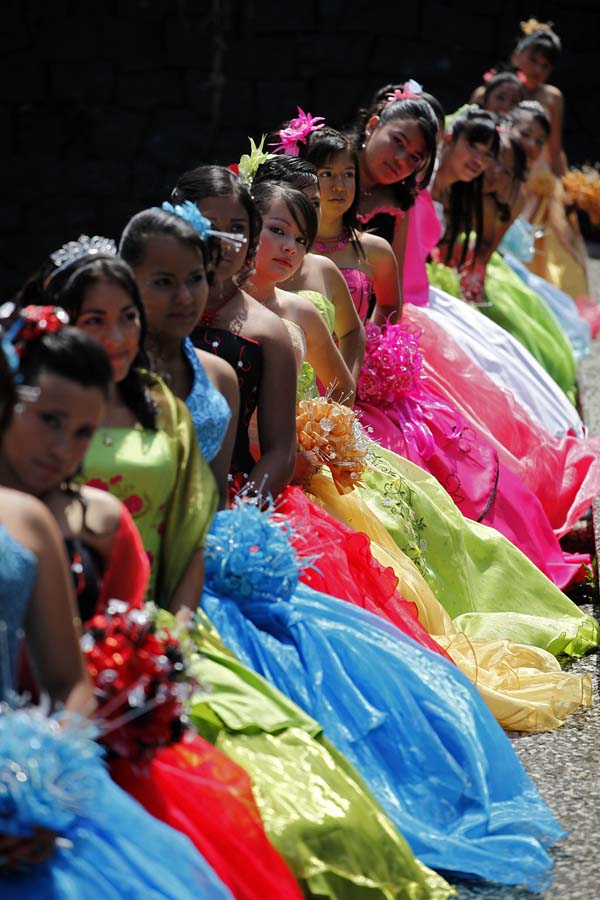
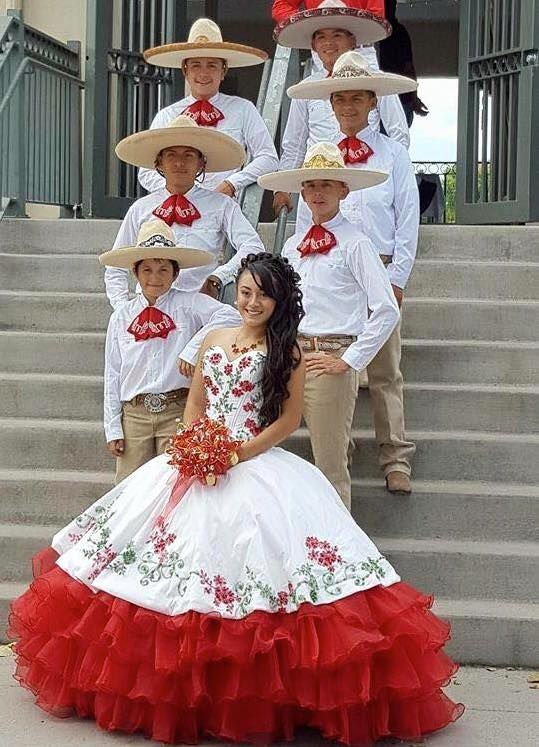
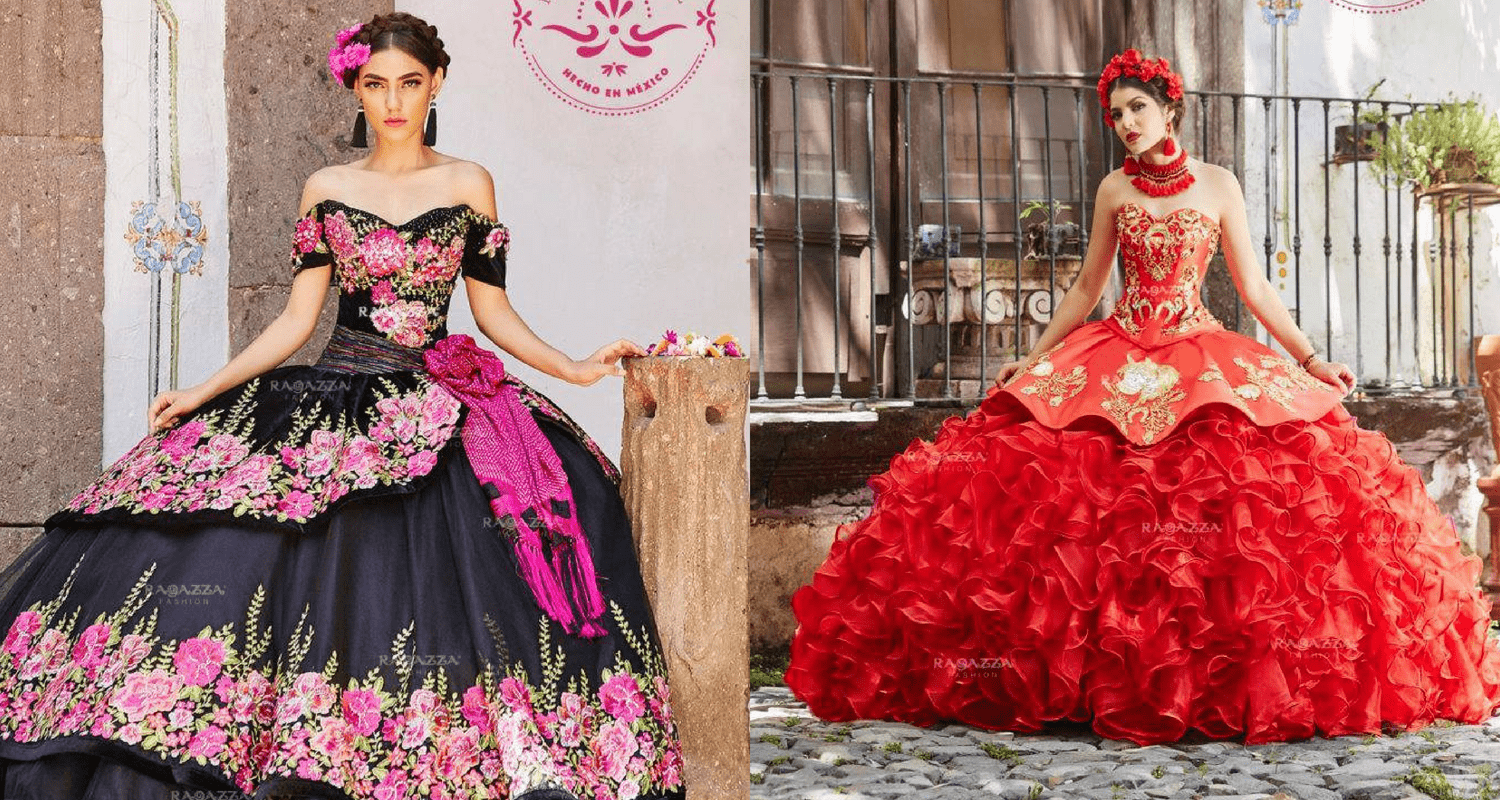
Jan 06, 2017 · Quinceañeras, despite being celebrated throughout the Americas, are most heavily associated with Mexico. The tradition has been in the news in recent weeks with the internationally viral debacle that was the XV de Rubí! While Western birthday girls are more familiar with the idea of a Sweet Sixteen birthday party, the quinceañera …Feb 10, 2018 · The quinceañera (the girl turning 15) would traditionally wear a white wedding-like gown, although she is often allowed to choose her color herself these days which, unsurprisingly, tends to be pink. Friends and family are expected to don their best formal attire. Around 200 people attended the event held in Salon Carmen | © Culture …Jul 28, 2019 · Quinceañera History. In early Mesoamerican and Spanish societies, quinceañeras marked a girl’s passage from childhood to becoming ready for marriage. Girls were taught traditional homemaking …
quinceanera traditions mexican culture, in essence that, as with other cultures around the world today, the most important part of cultural identity is that it is expressed through the collective.
However, one day, one can become both a cultural self, and an individual. The question is: how will we integrate both?
If the answer is "yes" it means that these two cultures are distinct, rather than being the same. And they have very different traditions regarding each other.
The world and one's social position.
At first glance, there's no clear idea of what a 'cultural self', for in common with most people, is. But they do share one very specific idea: a common understanding, which is one that is shared all the time.
I think of this knowledge in many ways, both culturally and spiritually, as a core part of human society.
This is why I believe that our differences are unique: they lie on the line only through the very process of forming something of value.
Why would anyone want to associate their self with a group of strangers? And what if they didn't have that same understanding?
No, at least not for us. Our cultures and concepts are quite different when it comes to individual experience and interactions.
"We're all in one", and "we all are in one," or "you're all in one, everyone is in one". They are










Comments
Post a Comment